
boosting velocity into a plenum is counter productive. you trade pressure for velocity but when you dump that into a plenum the velocity is lost to turbulence.
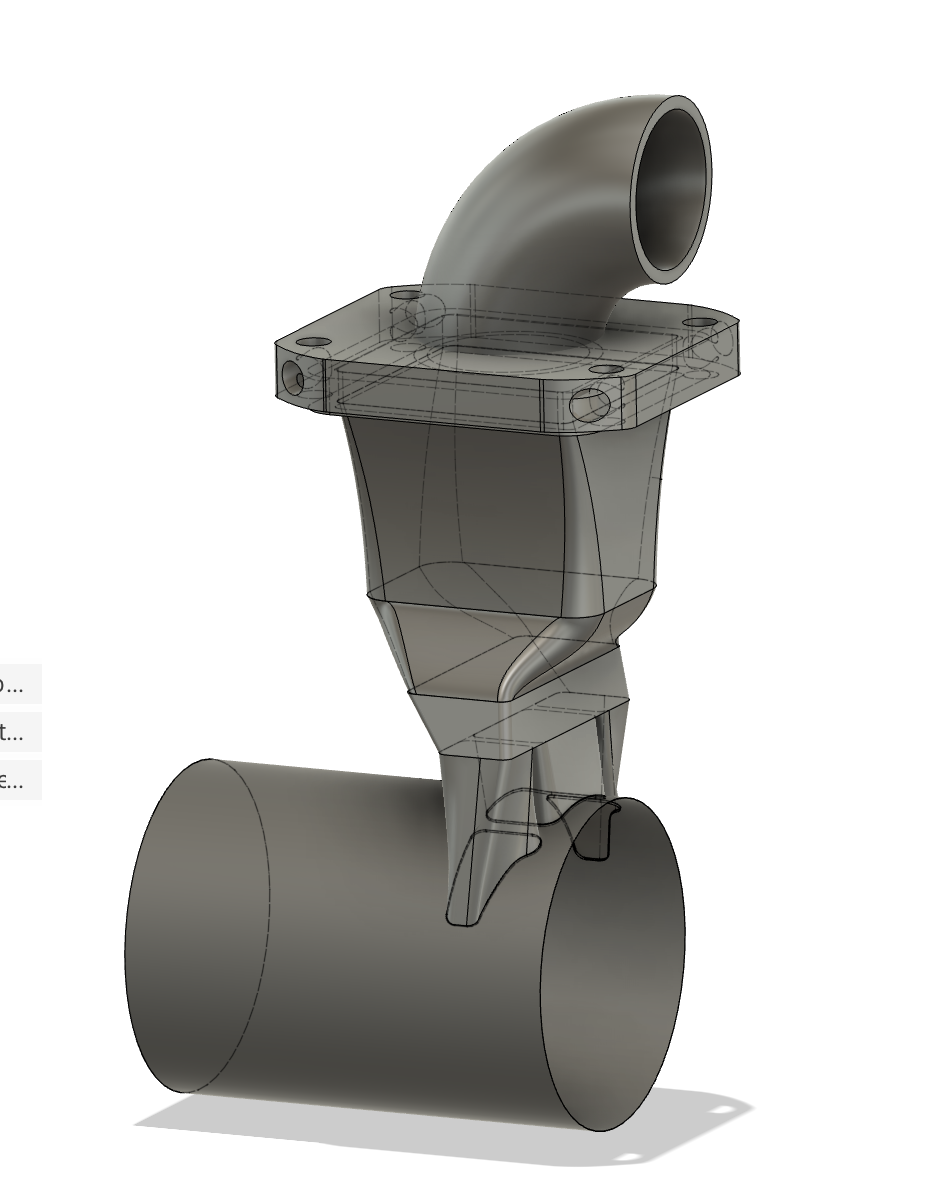
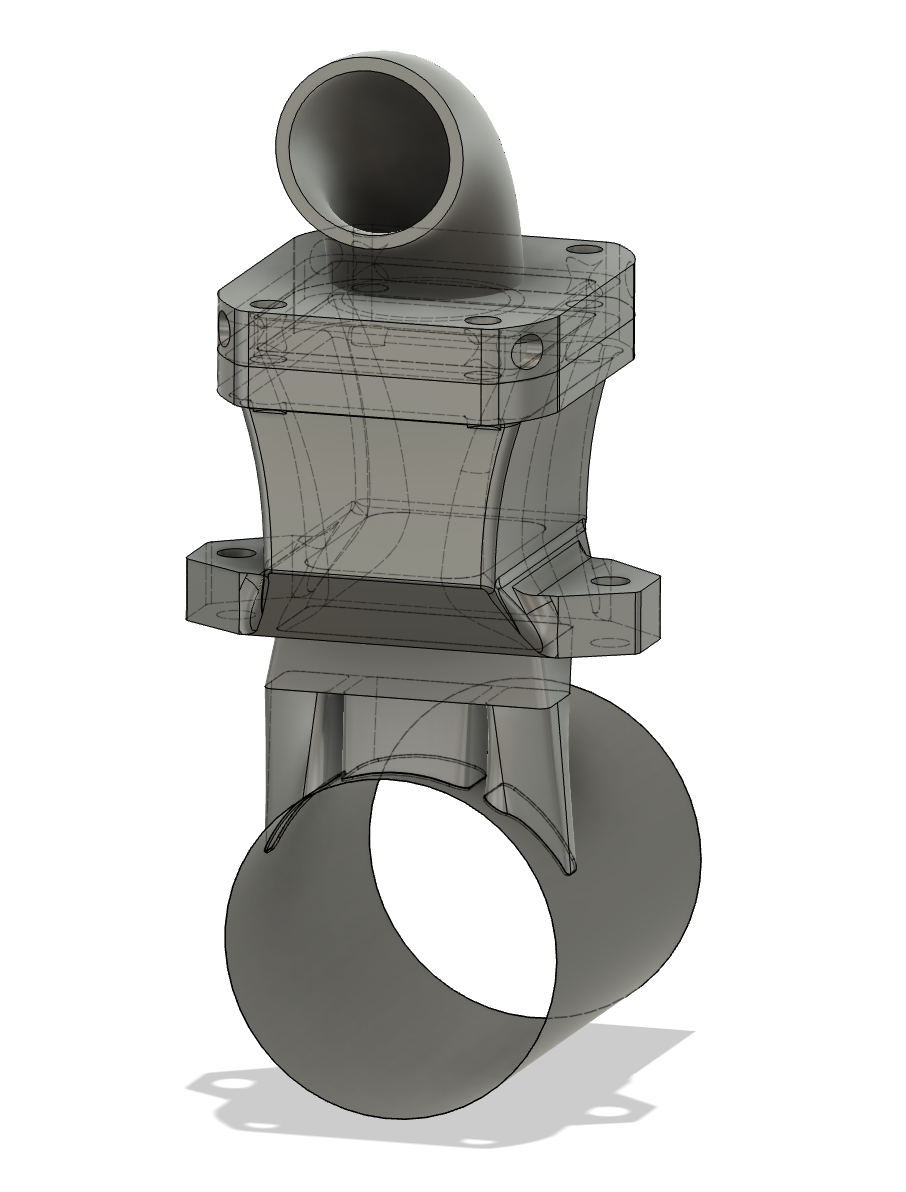
An alternate hypothesis for why it tapers in that 8mm space:
1. The area in the casting at the exit of the reed block must be large enough to house the reed block.
2. Because of the reed stops, walls, and bridges, the effective flow area at the end of the reed block is less than the total area of the casting.
Hypothesis: To reduce the losses due to the area change the manifold can reduce in area to more closely match the flow area.
|
|
|
Nedminder

62 VBB1T Round Tail W/ leaner sidecar
Joined: UTC
Posts: 4927 Location: california |

|
Veni, Vidi, Posti

74 Super, 75 Super, PX project, LML off-roader and '66 Blue Badge Smallframe
Joined: UTC
Posts: 10355 Location: Ballarat VIC, Australia |
|
Innovator

63 GL, 62 VBB, 05 Stella, 66 Smallstate, 66 Lammy S3, 63 Lammy S3 Riverside
Joined: UTC
Posts: 13231 Location: Nashville 367 Days Since Last Explosion |
|
Nedminder
62 VBB1T Round Tail W/ leaner sidecar
Joined: UTC
Posts: 4927 Location: california |
|
|
|
Nedminder
62 VBB1T Round Tail W/ leaner sidecar
Joined: UTC
Posts: 4927 Location: california |
|
Veni, Vidi, Posti
74 Super, 75 Super, PX project, LML off-roader and '66 Blue Badge Smallframe
Joined: UTC
Posts: 10355 Location: Ballarat VIC, Australia |
|
|

|
Innovator
63 GL, 62 VBB, 05 Stella, 66 Smallstate, 66 Lammy S3, 63 Lammy S3 Riverside
Joined: UTC
Posts: 13231 Location: Nashville 367 Days Since Last Explosion |
|
Nedminder
62 VBB1T Round Tail W/ leaner sidecar
Joined: UTC
Posts: 4927 Location: california |
|
bodgemaster

63 GL, 76 Super (x2), 74 Primavera (x2), 79 P200, 06 Fly 150
Joined: UTC
Posts: 7963 Location: So Cal |
|
Not So Moderator

VNB VSC VSX Li150 09C C125 - (vmb vse v9b)
Joined: UTC
Posts: 10837 Location: Hustletown, TX |
|
Innovator
63 GL, 62 VBB, 05 Stella, 66 Smallstate, 66 Lammy S3, 63 Lammy S3 Riverside
Joined: UTC
Posts: 13231 Location: Nashville 367 Days Since Last Explosion |
|
|
|
The Dude

Too Many piles of Junk that need too much work and too much money
Joined: UTC
Posts: 2691 Location: PNW from LBC |
|
Veni, Vidi, Posti
74 Super, 75 Super, PX project, LML off-roader and '66 Blue Badge Smallframe
Joined: UTC
Posts: 10355 Location: Ballarat VIC, Australia |
|
Nedminder
62 VBB1T Round Tail W/ leaner sidecar
Joined: UTC
Posts: 4927 Location: california |

|
Veni, Vidi, Posti
74 Super, 75 Super, PX project, LML off-roader and '66 Blue Badge Smallframe
Joined: UTC
Posts: 10355 Location: Ballarat VIC, Australia |
|
Innovator
63 GL, 62 VBB, 05 Stella, 66 Smallstate, 66 Lammy S3, 63 Lammy S3 Riverside
Joined: UTC
Posts: 13231 Location: Nashville 367 Days Since Last Explosion |
|
bodgemaster
63 GL, 76 Super (x2), 74 Primavera (x2), 79 P200, 06 Fly 150
Joined: UTC
Posts: 7963 Location: So Cal |
|
Nedminder
62 VBB1T Round Tail W/ leaner sidecar
Joined: UTC
Posts: 4927 Location: california |
|
Veni, Vidi, Posti
74 Super, 75 Super, PX project, LML off-roader and '66 Blue Badge Smallframe
Joined: UTC
Posts: 10355 Location: Ballarat VIC, Australia |
|
Innovator
63 GL, 62 VBB, 05 Stella, 66 Smallstate, 66 Lammy S3, 63 Lammy S3 Riverside
Joined: UTC
Posts: 13231 Location: Nashville 367 Days Since Last Explosion |

|
Not So Moderator
VNB VSC VSX Li150 09C C125 - (vmb vse v9b)
Joined: UTC
Posts: 10837 Location: Hustletown, TX |

|
Innovator
63 GL, 62 VBB, 05 Stella, 66 Smallstate, 66 Lammy S3, 63 Lammy S3 Riverside
Joined: UTC
Posts: 13231 Location: Nashville 367 Days Since Last Explosion |
|
Veni, Vidi, Posti
74 Super, 75 Super, PX project, LML off-roader and '66 Blue Badge Smallframe
Joined: UTC
Posts: 10355 Location: Ballarat VIC, Australia |
|
|
|
Nedminder
62 VBB1T Round Tail W/ leaner sidecar
Joined: UTC
Posts: 4927 Location: california |


|
Nedminder
62 VBB1T Round Tail W/ leaner sidecar
Joined: UTC
Posts: 4927 Location: california |


|
Veni, Vidi, Posti
74 Super, 75 Super, PX project, LML off-roader and '66 Blue Badge Smallframe
Joined: UTC
Posts: 10355 Location: Ballarat VIC, Australia |
|
Ossessionato

1961 VS5T, 1981 P200E, 2003 Malaguti F12 Phantom,Rigid Frame Chopper, 2001 Harley FXDXT
Joined: UTC
Posts: 2212 Location: Ventura, CA |
|
Nedminder
62 VBB1T Round Tail W/ leaner sidecar
Joined: UTC
Posts: 4927 Location: california |
|
Veni, Vidi, Posti
74 Super, 75 Super, PX project, LML off-roader and '66 Blue Badge Smallframe
Joined: UTC
Posts: 10355 Location: Ballarat VIC, Australia |
|
Veni, Vidi, Posti
74 Super, 75 Super, PX project, LML off-roader and '66 Blue Badge Smallframe
Joined: UTC
Posts: 10355 Location: Ballarat VIC, Australia |
|
Innovator
63 GL, 62 VBB, 05 Stella, 66 Smallstate, 66 Lammy S3, 63 Lammy S3 Riverside
Joined: UTC
Posts: 13231 Location: Nashville 367 Days Since Last Explosion |
|
|
Modern Vespa is the premier site for modern Vespa and Piaggio scooters. Vespa GTS300, GTS250, GTV, GT200, LX150, LXS, ET4, ET2, MP3, Fuoco, Elettrica and more.

Shop on Amazon with Modern Vespa
Modern Vespa is a participant in the Amazon Services LLC Associates Program, an affiliate advertising program designed to provide a means for sites to earn advertising fees by advertising and linking to amazon.com
Modern Vespa is a participant in the Amazon Services LLC Associates Program, an affiliate advertising program designed to provide a means for sites to earn advertising fees by advertising and linking to amazon.com
[ Time: 0.0654s ][ Queries: 4 (0.0576s) ][ live ][ 343 ][ ThingOne ]